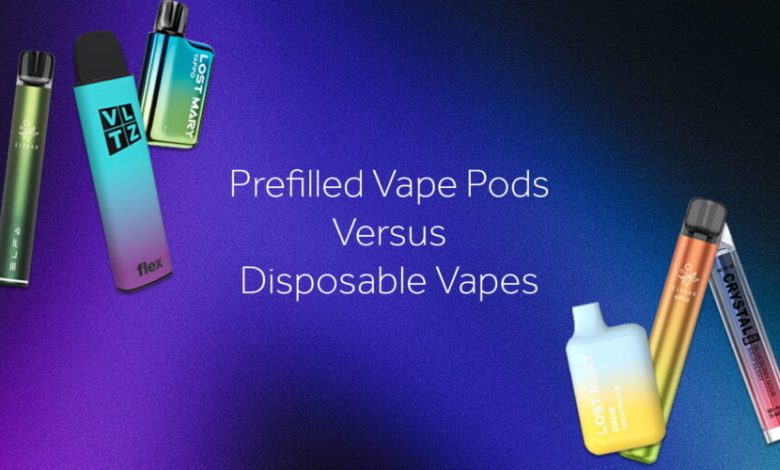
Disposable vape pods have become a prevalent trend globally, with Thailand being no exception. Initially embraced as a convenient alternative to traditional smoking, their compact design, ease of use, and appealing flavours made them particularly attractive to younger demographics. The rise of disposable vape pods mirrors changing societal behaviours, but beneath the surface lies a growing set of challenges. Despite their popularity, items such as the small pod (known as พอตตัวเล็ก in Thai) contribute significantly to mounting concerns around health, the environment, and regulation.
One pressing issue is their appeal to the younger population in Thailand. Surveys reveal an increasing shift among teenagers and young adults from conventional cigarettes to vapes, particularly disposable ones. Their discrete size, affordability, and availability make them an enticing option. With devices like the small pod being easy to conceal, they’re more accessible than many parents and educators realise. This ease of use, combined with a perception of reduced harm compared to traditional tobacco, has created a perfect storm for uptake in vulnerable age groups.
The environmental implications of disposable vape pods add another dimension to their rapid proliferation. The single-use nature of these devices contradicts global efforts to reduce waste, particularly in Thailand, where managing plastic pollution is already a significant challenge. Disposable vape pods, often made of plastic and equipped with lithium-ion batteries, are rarely recycled. Instead, they end up in landfills or waterways, further straining waste removal systems. For a country striving towards sustainability, this is an emerging crisis that cannot be overlooked.
Health remains a critical issue driving the conversation on disposable vape pods. While marketed as a safer option, the long-term effects of e-cigarettes remain under-researched. Thai authorities and health professionals are raising red flags regarding the growing misconception that they pose minimal risk. A generation of users could unknowingly face significant health challenges later in life, as more studies begin to shed light on the substances inhaled through these devices.
The popularity of these products also poses regulatory challenges. Thailand has some of the strictest anti-smoking laws in the world, but vaping products inhabit a grey legal area. Although banned, enforcement remains a challenge, allowing illegal sales to flourish both online and through informal networks. This undermines government efforts to control public health risks and complicates the regulation of substances entering the market.
Addressing the rise of disposable vape pods in Thailand requires a multi-faceted approach. Public awareness campaigns, stricter law enforcement, and targeted environmental reforms are all needed to mitigate the damage. Thai society is grappling with the tension between modern consumer convenience and the long-term consequences of its choices. Finding a balance requires collective action, education, and a commitment to sustainable practices.
Disposable vape pods may have gained momentum as a trendy alternative, but their impact extends far beyond personal use. From their contribution to youth addiction to their environmental footprint, these devices are shaping a challenge that Thailand must face head-on. Only by confronting the problem holistically can we hope to transition from trend to resolution in a way that safeguards both health and the environment.