Education is more than the transfer of information—it is the foundation upon which individuals grow, economies thrive, and societies progress. In a rapidly changing world, education equips learners with the ability to think critically, adapt to new challenges, and contribute meaningfully to their communities. From early childhood learning to lifelong professional development, education shapes both personal identity and collective advancement.
The Purpose of Education in Modern Society
At its core, education serves multiple interconnected purposes. It nurtures intellectual development, fosters social values, and prepares individuals for productive participation in the workforce.
Key purposes of education include:
-
Developing critical thinking and problem-solving skills
-
Encouraging ethical reasoning and civic responsibility
-
Promoting economic independence and innovation
-
Supporting social mobility and equal opportunity
Education is not static. Its goals evolve alongside societal needs, technological progress, and cultural change.
Types of Education and Learning Pathways
Education takes many forms, each addressing different stages of life and learning preferences.
Formal Education
Formal education follows a structured system and is typically delivered through schools, colleges, and universities. It includes standardized curricula, assessments, and recognized qualifications.
Examples include:
-
Primary and secondary schooling
-
Undergraduate and postgraduate degrees
-
Professional certifications
Informal Education
Informal education occurs outside traditional institutions and often happens unintentionally through daily experiences.
Common sources of informal learning:
-
Family and community interactions
-
Media, books, and online content
-
Personal hobbies and self-directed exploration
Non-Formal Education
Non-formal education bridges the gap between formal and informal learning. It is organized but flexible, often focusing on specific skills or goals.
Examples include:
-
Adult literacy programs
-
Vocational and technical training
-
Online courses and workshops
The Role of Teachers and Educators
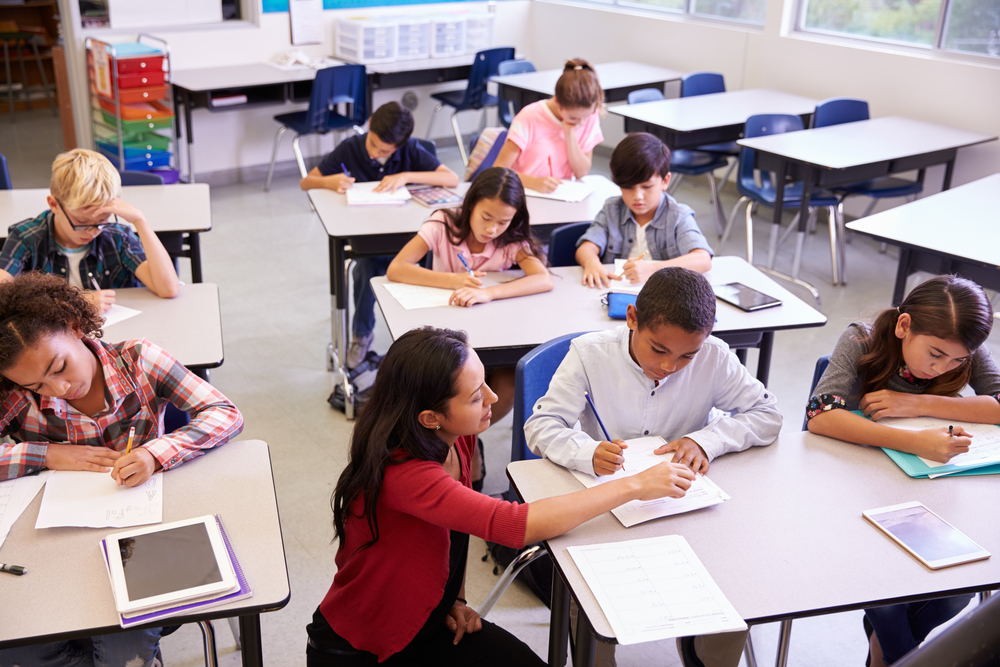
Teachers are central to effective education. Beyond delivering content, they inspire curiosity, mentor learners, and adapt instruction to diverse needs.
An effective educator:
-
Encourages active participation and discussion
-
Creates an inclusive and supportive environment
-
Uses varied teaching methods to reach all learners
-
Continuously updates skills and knowledge
The relationship between teacher and student often has a lasting impact, influencing confidence, motivation, and lifelong attitudes toward learning.
Technology and the Transformation of Education
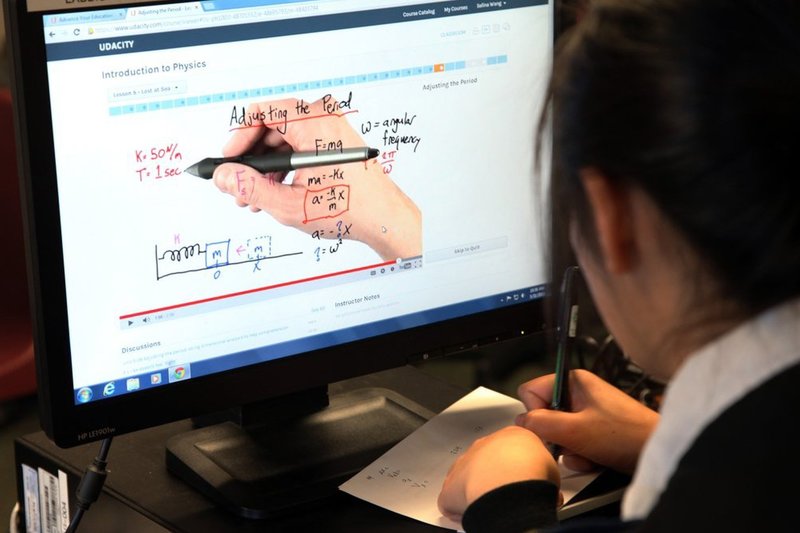
Technology has reshaped how education is delivered and accessed. Digital tools have expanded learning beyond physical classrooms and traditional schedules.
Benefits of Educational Technology
-
Increased accessibility for remote and underserved learners
-
Personalized learning experiences through adaptive platforms
-
Interactive content that improves engagement
-
Global collaboration between students and educators
Challenges to Address
While technology offers immense potential, it also presents challenges such as digital inequality, screen fatigue, and the need for data privacy. Balancing innovation with thoughtful implementation is essential.
Education and Economic Development
A strong education system is closely linked to economic growth. Educated populations tend to be more productive, innovative, and adaptable to change.
Economic benefits of education include:
-
Higher employment rates and income levels
-
Increased entrepreneurship and innovation
-
Reduced poverty and social inequality
-
Stronger national competitiveness
Investing in education is not merely a social responsibility—it is a strategic economic decision.
Lifelong Learning in a Changing World
In today’s fast-paced environment, learning does not end with formal schooling. Lifelong learning enables individuals to remain relevant, resilient, and fulfilled throughout their lives.
Lifelong learning can involve:
-
Upskilling and reskilling for career growth
-
Personal enrichment and creative pursuits
-
Staying informed about global and technological changes
This continuous approach to education supports both personal satisfaction and long-term employability.
Challenges Facing Global Education Systems
Despite progress, education systems worldwide face persistent challenges.
Major issues include:
-
Unequal access to quality education
-
Teacher shortages and burnout
-
Outdated curricula not aligned with modern needs
-
Limited funding and infrastructure
Addressing these challenges requires coordinated efforts from governments, communities, and international organizations.
The Future of Education
The future of education will likely emphasize flexibility, inclusivity, and innovation. Learner-centered approaches, interdisciplinary studies, and real-world problem-solving are becoming increasingly important.
Education will continue to evolve as a dynamic process—one that prepares individuals not just for jobs, but for meaningful and responsible lives.
Frequently Asked Questions (FAQs)
1. Why is education considered essential for personal development?
Education builds knowledge, confidence, and critical thinking skills, helping individuals make informed decisions and achieve personal goals.
2. How does education contribute to social equality?
By providing access to knowledge and skills, education helps reduce economic disparities and promotes equal opportunities.
3. What is the difference between formal and non-formal education?
Formal education follows a structured system with certifications, while non-formal education is organized but more flexible and often skill-focused.
4. Can technology replace traditional classroom education?
Technology enhances learning but does not fully replace the value of human interaction, mentorship, and social development found in classrooms.
5. Why is lifelong learning important today?
Rapid technological and economic changes require individuals to continuously update skills and knowledge to stay relevant.
6. What are the biggest barriers to quality education globally?
Common barriers include poverty, lack of infrastructure, insufficient teacher training, and limited access to digital resources.
7. How can governments improve national education systems?
Governments can invest in teacher development, modern curricula, infrastructure, and inclusive policies that ensure access for all learners.