
Photography is more than pressing a shutter button. It is a blend of observation, technical control, and creative intent. Whether you are capturing everyday moments or building a professional portfolio, understanding the fundamentals helps transform ordinary scenes into compelling images.
What Photography Really Means
At its core, photography is the art and science of recording light. The word itself comes from Greek roots meaning “drawing with light.” Every photograph is shaped by how light interacts with a subject, a lens, and a sensor or film.
Modern photography spans many purposes, including storytelling, documentation, artistic expression, and commercial communication.
Essential Photography Gear You Should Know
You do not need the most expensive equipment to take great photos, but knowing the tools matters.
Common photography equipment includes:
-
Camera bodies (DSLR, mirrorless, compact, or smartphone)
-
Lenses (prime, zoom, wide-angle, telephoto)
-
Tripods for stability and long exposures
-
Lighting tools such as flashes or reflectors
-
Memory cards and storage solutions
Skill and vision will always outweigh gear, especially for beginners.
Understanding Camera Basics
Mastering photography starts with learning how your camera controls light.
The Exposure Triangle
Exposure is determined by three elements working together:
-
Aperture – Controls depth of field and how much light enters the lens
-
Shutter speed – Freezes motion or creates motion blur
-
ISO – Adjusts sensor sensitivity to light
Balancing these settings allows photographers to achieve sharp, well-exposed images in any situation.
Composition: The Backbone of Strong Images
Good composition guides the viewer’s eye and adds emotional impact.
Key composition principles include:
-
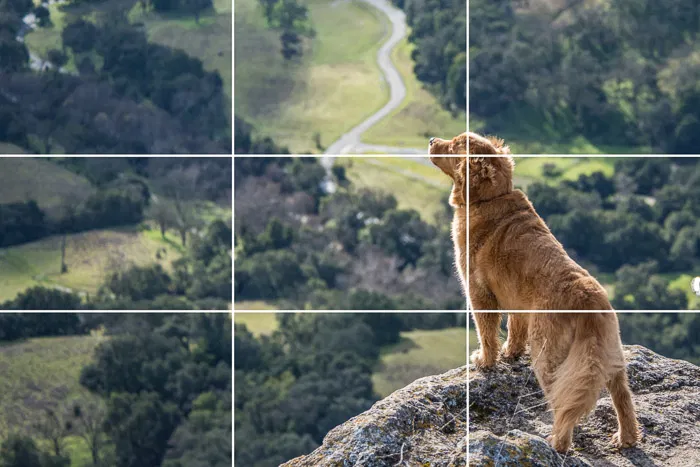
Rule of thirds for balanced framing
-
Leading lines to draw attention to the subject
-
Negative space for simplicity and focus
-
Framing using natural elements
-
Symmetry and patterns for visual harmony
Composition often matters more than technical perfection.
The Importance of Light in Photography
Light shapes mood, texture, and dimension. Learning to read light is one of the most valuable photography skills.
Types of light photographers use:
-
Natural light (sunlight, window light)
-
Artificial light (studio lights, flash)
-
Soft light for portraits
-
Hard light for drama and contrast
The golden hour, shortly after sunrise or before sunset, is especially popular for its warm and flattering tones.
Popular Photography Styles
Photography offers endless creative paths. Some widely practiced genres include:
-
Portrait photography – Capturing people and expressions
-
Landscape photography – Showcasing natural scenery
-
Street photography – Documenting everyday life
-
Product photography – Highlighting items for marketing
-
Wildlife photography – Photographing animals in nature
Exploring different styles helps photographers find their unique voice.
Editing and Post-Processing
Editing is not about fixing mistakes but enhancing the original vision.
Basic post-processing may involve:
-
Adjusting exposure and contrast
-
Correcting colors and white balance
-
Cropping for stronger composition
-
Sharpening and noise reduction
Editing should support realism or artistic intent without overpowering the image.
How to Improve Your Photography Skills
Photography improves with practice and intention.
Effective ways to grow include:
-
Shooting regularly with a purpose
-
Studying other photographers’ work
-
Reviewing your own photos critically
-
Learning from mistakes instead of deleting them
-
Experimenting with different lighting and angles
Consistency builds confidence and creativity over time.
Frequently Asked Questions (FAQs)
What camera is best for beginners in photography?
A beginner-friendly camera is one that offers manual controls, good autofocus, and ease of use. Entry-level mirrorless and DSLR cameras are popular choices.
Is photography more about skill or equipment?
Skill matters more than equipment. Understanding light, composition, and timing has a greater impact than owning expensive gear.
How long does it take to become good at photography?
Progress varies, but noticeable improvement can happen within months of consistent practice and learning.
Can photography be self-taught?
Yes, many photographers are self-taught through practice, study, and feedback, combined with online resources and experimentation.
What is the best time of day to take photos outdoors?
Early morning and late afternoon are ideal due to softer light and better color tones.
Do photographers always edit their photos?
Most photographers edit their images to refine exposure and color, but the extent of editing depends on personal style and purpose.
Can photography be a full-time career?
Yes, photography can be a career through areas like weddings, commercial work, product photography, journalism, or fine art.


